
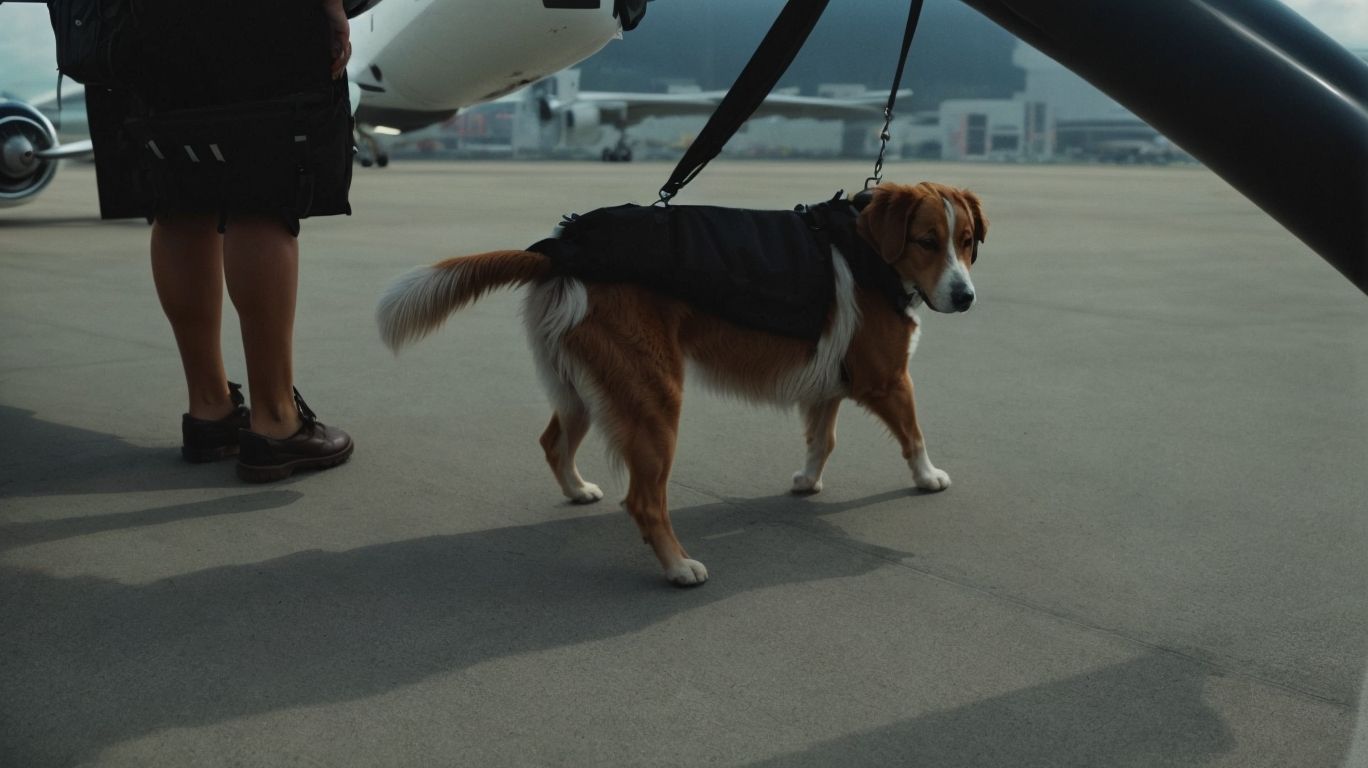


Are you considering flying with your furry friend? Shipping a dog by air can be a convenient and efficient way to transport your pet, but it requires careful planning and preparation to ensure a smooth and comfortable flight for your canine companion.
In this comprehensive guide, we will cover important tips for flying with a dog, general recommendations for pet transport, in-cabin and in-hold travel guidelines, as well as essential information on the care and handling of pets during air travel. We will provide instructions for airline baggage personnel, feeding and watering guidelines for dogs, and best practices for transporting and labeling kennels. We’ll also discuss emergency situations and preparedness, along with additional information on pet travel.
Whether you’re a first-time pet traveler or a seasoned jet-setting pet parent, this article will equip you with the knowledge and resources you need for a successful and stress-free journey with your beloved dog.
Key Takeaways:
Introduction to Shipping a Dog by Air
Shipping a dog by air involves careful planning and compliance with airline and regulatory requirements, ensuring a smooth journey for your furry companion.
Adhering to airline and regulatory guidelines is crucial to guarantee the safety and well-being of your pet during air travel. Taking into account specific policies concerning pet transportation, such as crate dimensions, breed restrictions, and health documentation, is essential for a seamless journey.
Compliance with health and safety regulations helps minimize potential stress and discomfort for your pet. It’s vital to ensure that your furry friend meets all the necessary health requirements and vaccinations mandated by both the airline and the destination’s regulatory authorities.
Important Tips for Flying with a Dog
Flying with a dog requires careful consideration and preparation to ensure a comfortable and stress-free experience for both the pet and the owner.

Before embarking on your journey, research the airline’s specific pet policies, as they vary between carriers. It’s essential to understand the size restrictions, breed limitations, and documentation requirements. Once you’ve selected a pet-friendly airline, ensure your dog is accustomed to the carrier or crate that complies with airline regulations. Make sure your dog’s microchip and vaccination records are up to date, especially for international travel.
General Recommendations for Pet Transport
When transporting a pet by air, it is crucial to adhere to general recommendations and guidelines to ensure the pet’s safety and well-being throughout the journey.
First, it is important to select an appropriate carrier or kennel that complies with airline regulations. This may include requirements for size, material, and ventilation. Ensure that the kennel is labeled with the pet’s information and contact details.
For pets traveling in the hold, consider the temperature and pressure conditions to ensure their comfort. Acquainting the pet with the carrier beforehand can also help reduce stress during the journey.
For a comprehensive understanding of pet transportation and to connect with trusted drivers, visit CitizenShipper’s pet transportation page.
In-Cabin Travel Guidelines
In-cabin travel for pets involves specific guidelines and considerations to prioritize the pet’s comfort and well-being while complying with airline regulations.
Each airline has its unique pet travel policies , including size restrictions, carrier specifications, and documentation requirements. To ensure a stress-free experience, it’s essential to carefully review the guidelines provided by the chosen airline.
Pet owners should focus on pet comfort by selecting a suitable carrier, providing familiar bedding, and offering reassurance and comfort throughout the journey.
In-Hold Travel Guidelines

Traveling in the cargo hold presents specific guidelines and requirements for pet transportation to ensure their safety and well-being until reaching their final destination.
Before considering pet transportation in the cargo hold, it’s crucial to understand the regulations set by various airlines. Each airline has its strict guidelines, weight restrictions, and breed-specific regulations regarding pets in the cargo hold. It’s essential to inquire about the available pet services offered by airlines, such as climate-controlled compartments, designated rest areas, and professional pet handlers.
Pet owners must carefully consider the final destination, including the climate, quarantine regulations, and necessary paperwork to ensure a smooth transition for their furry companions.
Care and Handling of Pets During Air Travel
The care and handling of pets during air travel require meticulous attention to their well-being, including veterinary considerations, vaccination requirements, and access to pet relief areas.
Before embarking on a trip with your furry friend, it’s crucial to consult a veterinarian to ensure your pet’s health and well-being. Discuss the veterinary requirements, such as any necessary vaccinations and health certificates.
Familiarize yourself with the airline’s policies regarding pet travel, including the availability of pet relief areas and any specific pet carrier guidelines. Opt for a pet-friendly airline, and book a direct flight whenever possible to minimize stress on your pet.
During the trip, prioritize your pet’s comfort and safety. Keep them hydrated and ensure they have ample opportunities for bathroom breaks. Consider using a pet-calming product recommended by your veterinarian to help your pet stay relaxed during the flight.
Instructions for Airline Baggage Personnel
Airline baggage personnel play a vital role in ensuring the proper transportation, care, and handling of pets, requiring clear instructions and guidelines to uphold the pet’s well-being.

It is essential for baggage personnel to be familiar with the specific regulations and protocols related to transporting pets, including required documentation, appropriate carriers, and necessary accommodations. By following pet service guidelines diligently, they can minimize stress and discomfort for the animals, ensuring a smooth and safe journey.
Baggage personnel must collaborate with other staff members and remain proactive in attending to any special needs or emergencies to ensure the pets are kept in a secure and comfortable environment throughout the entire travel process.
Feeding and Watering Guidelines for Dogs
Proper feeding and watering guidelines are essential for ensuring the health and well-being of dogs during air transportation, requiring adherence to veterinary recommendations and health certificate requirements.
Before embarking on air travel with dogs, it’s crucial to consult with a trusted veterinarian to ensure that the pet is in optimal health for the journey. The health certificate is a mandatory document that verifies the dog’s fitness for travel and complies with the airline’s requirements.
It’s recommended to provide the dog with a light meal 4 hours before the flight to prevent discomfort, while water should be made available up to 2 hours before departure. During layovers, offer small amounts of water to keep your pet hydrated without overloading their system.
Transporting and Handling of Dogs During Air Travel
The transportation and handling of dogs during air travel require careful attention to their safety, comfort, and well-being, with specific considerations for service animals.
When preparing your dog for air travel, it’s essential to ensure they are accustomed to their travel crate or carrier to minimize stress. A well-ventilated and secure crate is crucial, providing enough space for comfortable movement. Familiarizing your dog with the sounds and sensations of an airport and airplane can reduce anxiety.
Service animals have unique requirements, so it’s vital to communicate their status with the airline in advance to arrange for any necessary accommodations to ensure their well-being throughout the journey.
Labeling and Routing Kennels
Proper labeling and routing of kennels are crucial aspects of pet transportation by air, ensuring compliance with airline regulations and cargo handling procedures.
When pets are transported by air, the labeling of their kennels serves as a primary means of communication between pet owners, airline staff, and cargo handlers. It is essential to follow the specific labeling requirements set forth by the airline, which may include information such as the pet’s name, owner’s contact details, special handling instructions, and any required health certifications. This ensures that the airline and cargo handlers can accurately identify and attend to the pets throughout the journey.
The routing of kennels plays a crucial role in the efficient handling of pets during transportation. Proper routing ensures that the pets are transferred through the appropriate channels, minimizing the risk of delays or mishandling. This often involves clearly marking the kennels with information regarding the pet’s destination and any intermediate stops along the travel route, enabling airline and cargo personnel to make necessary arrangements for the pets’ safe transfer at each stage of the journey.
Emergency Situations and Preparedness
Preparedness for emergency situations during pet transportation by air is paramount, requiring proactive measures, veterinary support, and adherence to safety protocols.
Before embarking on air travel with a pet, it is crucial to ensure that all necessary preparations are in place to address any potential emergencies. This involves staying informed about the airline’s policies pertaining to pet travel, as well as familiarizing oneself with the specific requirements for pet carriers and documentation.
Developing a comprehensive emergency plan is essential, encompassing contingencies for instances such as turbulence, changes in cabin pressure, or unexpected flight diversions. Plus this, establishing direct access to veterinary support during the journey is fundamental, providing reassurance that professional assistance can be swiftly secured if needed.
Additional Information on Pet Travel
For additional information on pet travel , it is valuable to explore the services offered by pet relocators, pet managers, and pet-friendly resorts, along with considerations for animal transportation.
Expert pet relocators offer a range of services to ensure a smooth and stress-free transition for pets. This may include assistance with paperwork, arranging transportation, and providing advice on pet-friendly accommodations at the destination. Their knowledge of animal transportation regulations and requirements can be invaluable for pet owners looking to relocate with their furry companions. Pet managers can also provide valuable services such as arranging for pet sitters, walking services, and access to local veterinarians to ensure the well-being of the pet during the travel period.
- In terms of accommodations, pet-friendly resorts and hotels offer amenities catered specifically to pets, such as designated play areas, pet-friendly rooms, and even specialized menus for pets. These establishments also often have dedicated staff trained in handling and caring for animals, providing a comfortable and welcoming environment for both pets and their owners.
- Considerations for animal transportation go beyond the actual travel itself. It’s essential to ensure that pets have updated identification tags, necessary vaccinations, and health certificates required for travel. Choosing a reputable and reliable pet transport service can make a significant difference in the overall experience, with specialized facilities designed to keep pets safe and comfortable during transit.
Frequently Asked Questions
What are the requirements for shipping a dog by air?
To ship a dog by air, you will need to make sure that your dog is at least 8 weeks old, up to date on all vaccinations, and has a health certificate from a licensed veterinarian. Additionally, you will need to provide a secure and airline-approved crate for your dog to travel in.
What is the best airline for shipping a dog by air?
The best airline for shipping a dog by air will depend on your specific needs and location. It’s important to research different airlines and their pet policies, as well as talk to a customer service representative to ensure that your dog will have a smooth and safe flight.
How far in advance should I book my dog’s flight?
It’s recommended to book your dog’s flight at least 30 days in advance to allow time for all necessary paperwork and preparations. Some airlines may also have specific requirements for booking pet flights, so be sure to check with them beforehand.
What should I do to prepare my dog for the flight?
To prepare your dog for the flight, you should acclimate them to their travel crate and take them for a long walk or play session before the flight to help them release any extra energy. You may also want to consult with your veterinarian about any possible sedatives or calming techniques for your dog during the flight.
What happens if my dog gets anxious or stressed during the flight?
If your dog gets anxious or stressed during the flight, the airline staff will do their best to comfort and calm them. However, it’s important to provide your dog with familiar items, such as their favorite toy or blanket, to help ease their anxiety. You can also leave a shirt or other item with your scent in their crate to help them feel more secure.
Are there any additional fees for shipping a dog by air?
Yes, there may be additional fees for shipping a dog by air. These fees can include the cost of the flight, an extra charge for handling and transporting your dog, and any necessary paperwork or health certificates. Be sure to check with the airline beforehand to understand all fees associated with shipping your dog.

Guiding SEO strategies for nationwide pet transportation services. With a wealth of experience in marketing, committed to showcasing safe and reliable pet transport options across the USA.