
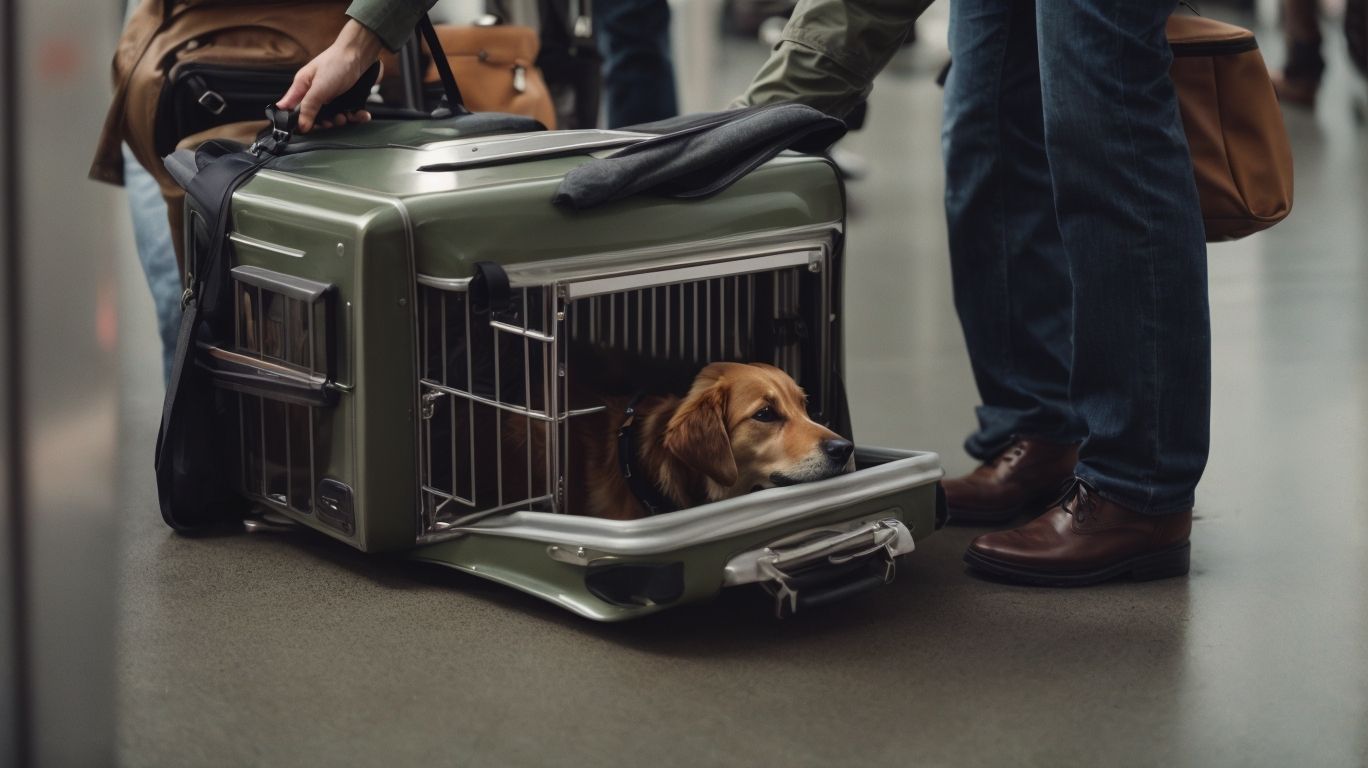


In today’s fast-paced world, the need to transport pets via air travel has become increasingly common. As pet owners, it’s essential to understand the potential impact, risks, and concerns associated with shipping our beloved furry companions via cargo. From the regulations and restrictions put in place to the process of shipping pets and ensuring their comfort and well-being during air travel, there is a myriad of factors to consider.
In this comprehensive guide, we’ll explore the entire process of shipping pets via cargo, including an overview of airlines offering pet cargo services, requirements and preparations, check-in procedures, and the handling and loading of pets in the cargo hold. We’ll delve into essential tips for comfortable pet transportation, guidelines for feeding and travel arrangements, and valuable advice from industry experts to help ensure a smooth and safe journey for our pets.
We’ll examine the latest trends and insights in pet air travel, including the increasing demand for pet transportation services, rankings of airlines for pet transportation, and insights from travelers who have experienced pet air travel firsthand. Whether you’re a seasoned pet owner or considering air travel for your furry friend for the first time, this article aims to provide valuable insights and practical information to help you navigate the process of shipping dogs by air with confidence and peace of mind.
Key Takeaways:
Understanding the Concerns of Shipping Pets by Air
In terms of the safe and reliable transportation of pets, particularly dogs, via air travel, various concerns and considerations come into play. From the handling procedures in cargo holds to the specific requirements set by airlines, the well-being and safety of pets are of utmost importance .
One of the primary concerns related to shipping pets by air is the well-being of dogs during the journey. The cargo hold environment, where pets are usually placed during air travel, can expose animals to extreme temperatures and noise levels, potentially causing distress or discomfort.
Airlines play a crucial role in addressing these concerns by implementing stringent guidelines for pet transportation. These guidelines often include regulations on crate sizes, necessary documentation, and health certifications to ensure the safety and comfort of the animals throughout the flight.
Moreover, pet air travel typically requires careful planning and adherence to specific requirements . Owners may need to provide adequate food, water, and bedding for the journey, while also considering the potential need for sedation or calming aids based on the individual pet’s needs.
Impact of Cargo Transportation on Pets

The impact of cargo transportation on pets, including dogs, during air travel revolves around the environmental conditions, handling procedures, and adherence to specific pet policies established by airlines to ensure a safe and comfortable journey for the animals.
Environmental factors play a crucial role in the transportation of pets via cargo. The temperature, air pressure, and ventilation within the cargo area are carefully monitored to provide a suitable environment for the animals. Airlines have strict guidelines to safeguard the well-being of pets, regulating aspects such as temperature control, airflow, and noise levels.
Pet policies often dictate the maximum duration of time that pets can be held in the cargo area to minimize stress and discomfort.
Furthermore, Health certificates are of prime importance when transporting pets via cargo. These documents validate the pet’s vaccination history and overall health condition, ensuring that they are fit for air travel. Airlines require pet owners to furnish these certificates to verify that the pet poses no health risks to other animals or passengers. The thorough documentation process helps in maintaining the safety and health standards of pets during cargo transportation.
Risks and Concerns in Pet Air Transport
Pet air transport poses various risks and concerns that encompass the expertise of cargo handlers offered by airlines, regulations from entities such as the US Department of Transportation, and the overall safety protocols implemented throughout the journey.
One of the primary risks associated with pet air transport is the potential mishandling of animals by cargo handlers. With the number of animals being transported, the proper training and knowledge of these handlers become crucial in ensuring the safety and well-being of the pets. The adherence to regulations from the US Department of Transportation serves as a critical factor in maintaining standards for pet air transport. This includes guidelines for temperature control, crate size, and adequate ventilation to minimize any potential risks during the journey.
The source of safety protocols within the airline industry plays a pivotal role in the safety of pets during air travel. Airlines are responsible for implementing strict measures to safeguard animal passengers. This encompasses practices to prevent exposure to extreme temperatures, proper crate loading to prevent shifting during flight, and measures to ensure that pets are not exposed to hazardous materials during transportation. Ensuring that cargo handlers are well-trained, regulations are strictly adhered to, and safety protocols are effectively implemented are fundamental in mitigating the risks and concerns associated with pet air transport.
Regulations and Restrictions for Pet Air Travel
The regulations and restrictions governing pet air travel, particularly for dogs, encompass a wide range of considerations, including the accommodation of emotional support animals, restrictions on brachycephalic breeds, and the specific guidelines for service animals, all with a primary focus on ensuring animal welfare .

In terms of emotional support animals, airlines have specific regulations to ensure the comfort and safety of all passengers. Passengers traveling with emotional support animals must provide documentation from a licensed mental health professional to verify the need for the animal. There are restrictions on the types of animals that qualify as emotional support animals, and they may need to meet certain behavioral and training requirements.
Brachycephalic breeds, characterized by their short muzzles and flat faces, face restrictions due to their susceptibility to respiratory issues in the high altitudes and stresses of air travel. Some airlines have specific limitations on these breeds to prevent potential health risks during the flight.
Service animals, which are specially trained to perform tasks for individuals with disabilities, are subject to distinct guidelines. These animals are typically allowed to accompany their owners in the cabin, but airlines may have specific requirements for documentation and behavior to ensure the safety and well-being of all passengers.
Exploring the Process of Shipping Pets via Cargo
The process of shipping pets , including dogs, via cargo involves a comprehensive approach that includes the expertise of cargo handlers offered by airlines and the careful planning required to ensure a safe and comfortable journey for the pets.
Cargo handlers play a crucial role in ensuring that pets are handled with care and attention throughout the shipping process. They are trained to follow specific guidelines to guarantee the safety and well-being of the animals during transportation. Airlines that offer pet shipping services have dedicated staff who are knowledgeable about handling different types of pets, ensuring that all necessary precautions are taken to minimize stress and discomfort for the animals. Proper planning for a comfortable journey involves considerations such as appropriate crate sizing, ventilation, temperature control, and timely feeding and bathroom breaks.
Pet owners need to provide accurate documentation, including health certificates and vaccination records, in compliance with regulations for pet transportation. These documents are essential for ensuring that the pets meet the necessary requirements for travel and entry into the destination country or state. Airlines also offer guidance on the best practices for preparing pets for travel, such as acclimatizing them to their travel crates and providing familiar blankets or toys to ease their anxiety during the journey.
Overview of Airlines Offering Pet Cargo Services
An overview of airlines offering pet cargo services provides insights into the diverse options available for pet owners, with considerations for trusted networks such as IPATA and CitizenShipper, along with adherence to regulations from entities like the DOT and USDA .
When considering pet travel, it’s essential to choose an airline that prioritizes the safety and well-being of pets during transit.

Trusted networks such as IPATA (International Pet and Animal Transportation Association) and CitizenShipper are good resources for finding reputable airlines that specialize in pet cargo services. These networks maintain stringent standards for their members, ensuring that pets receive the care and attention they deserve throughout their journey. Adhering to regulations from entities like the Department of Transportation (DOT) and the United States Department of Agriculture (USDA) is crucial to guaranteeing the lawful and humane transportation of pets.
Requirements and Preparations for Shipping Pets via Cargo
The requirements and preparations for shipping pets via cargo involve specific guidelines and considerations set by airlines such as Hawaiian Airlines , Alaska Airlines , and American Airlines , with particular attention to regulations concerning brachycephalic breeds and breed-specific accommodations.
It’s important to note that each airline may have distinct requirements and restrictions when it comes to shipping pets via cargo. For instance, Hawaiian Airlines mandates that pet owners must provide a health certificate issued within 14 days of travel for each pet. Additionally, Alaska Airlines requires a pet health certificate completed by a licensed veterinarian within 10 days of travel. American Airlines stipulates specific guidelines for brachycephalic breeds, requiring that they travel in climate-controlled conditions and prohibiting their transport if the forecasted temperatures exceed 85°F at any location during the animal’s journey.
Check-in Procedures and Pet Care Essentials
The check-in procedures and pet care essentials involved in shipping pets via cargo encompass the meticulous examination of service animals , ensuring the comfort and well-being of pets throughout the journey, and providing essential guidance for pet owners to facilitate a smooth transportation experience.
In terms of check-in procedures for shipping pets via cargo, it is critical to adhere to airline and international regulations. Service animals undergo thorough evaluation to ensure they meet the necessary requirements for travel. Additionally, pets’ comfort during transit is a top priority. It involves providing suitable crates/carriers, proper ventilation, and temperature control. Pet owners are advised to acclimate their pets to the crate before the journey and provide familiar items for comfort.
Guidance for pet owners includes preparing necessary documentation, such as health certificates and permits, as well as ensuring the pet’s identification is clearly displayed on the crate. Pet owners should consult with the airline regarding specific guidelines for water and food provisions during the journey, as well as any additional requirements for specific breeds or species.
Handling and Loading of Pets in the Cargo Hold
The handling and loading of pets in the cargo hold encompass the responsibilities of cargo handlers to ensure safe and secure transportation, along with the importance of choosing airlines with reliable cargo handlers offered and trusted delivery procedures for pets.
Responsibilities of cargo handlers involve carefully following regulations and guidelines for the safe handling and loading of pets in the cargo hold. This includes providing proper ventilation, temperature control, and security measures to minimize stress and ensure the well-being of the animals during transit.
Selecting airlines with well-trained and experienced cargo handlers is crucial to guaranteeing the best possible care for pets throughout the transportation process. Trusted delivery procedures such as real-time tracking and dedicated pet handling facilities further contribute to the safety and comfort of pets during air travel.
Temperature Control and Safety Measures in Cargo Transportation
Temperature control and safety measures in cargo transportation play a crucial role in ensuring the well-being of pets throughout their journey, encompassing specific protocols for pet shipping, the monitoring of pets during travel, and adherence to safety measures for pets via cargo transportation.
Transporting pets via cargo requires meticulous attention to detail when it comes to maintaining optimal temperature conditions to safeguard their health and comfort. Airlines and transportation companies have strict guidelines and procedures in place to regulate the temperature and ensure a safe environment for pets during transit. From carefully monitoring the temperature in cargo holds to utilizing climate-controlled facilities, every effort is made to prioritize the welfare of the animals.
Ensuring Comfort and Well-being of Pets during Air Travel
Ensuring the comfort and well-being of pets during air travel encompasses a holistic approach that involves the expertise of cargo handlers in overseeing the delivery process and the considerations offered by trusted pet transport services such as Next Vacay .
In terms of pet travel, the safety and comfort of our furry companions are of utmost importance. Cargo handlers play a vital role in ensuring that pets are handled with care and attention throughout the journey. Trusted pet transport services like Next Vacay prioritize the specific needs of pets, including secure kennels, appropriate ventilation, and regulated temperature control during the transportation process. By collaborating with experienced professionals, pet owners can provide their beloved animals with a seamless and stress-free travel experience.
Tips for Comfortable Pet Transportation
Tips for comfortable pet transportation revolve around the accommodations for service animals, the availability of specialized travel services, considerations for providing solid food during travel, and the benefits of nonstop journeys for minimizing stress and discomfort for pets.
Service animals require specific care and attention during transportation. It’s essential to ensure that the travel arrangements cater to their specialized needs, such as providing sufficient space and comfortable surroundings. Additionally, specialized travel services can offer dedicated assistance for service animals, ensuring their well-being throughout the journey.
When considering providing solid food during travel, it’s crucial to opt for easily digestible and familiar meals, keeping in mind the potential for motion sickness. Nonstop journeys are highly beneficial as they minimize disruptions and provide a more predictable and comforting environment for pets.
Guidelines for Feeding and Travel Arrangements
Guidelines for feeding and travel arrangements for pets involve adherence to industry standards set by reputable networks such as IPATA and CitizenShipper, along with compliance with regulations from entities like the DOT and USDA to ensure the well-being and safety of pets during travel.
These guidelines are essential for pet owners and pet transport professionals to follow to guarantee the comfort and security of the animals. IPATA (International Pet and Animal Transportation Association) and CitizenShipper are renowned for establishing best practices in the industry, covering aspects such as crate requirements, temperature regulations, and necessary paperwork.
Compliance with regulations set by the DOT (Department of Transportation) and USDA (United States Department of Agriculture) are crucial, as they oversee the safety and humane treatment of animals during transportation.
Advice for Pet Owners from Industry Experts
Advice for pet owners from industry experts encompasses valuable insights and recommendations from airlines such as Hawaiian Airlines, Alaska Airlines, and American Airlines, focusing on breed-specific considerations and guidelines to facilitate a seamless and safe travel experience for pets.
When traveling with pets, it’s crucial to understand the unique requirements associated with different breeds. For instance, brachycephalic breeds, such as bulldogs and pugs, may have specific temperature and stress considerations during air travel. It’s advisable to consult with your veterinarian and the airline to ensure that the travel conditions are suitable for your pet’s breed.
Hawaiian Airlines, Alaska Airlines, and American Airlines offer specific guidelines for pet travel, covering essential aspects such as crate requirements, documentation, and health certifications. By adhering to these guidelines, pet owners can ensure that their furry companions have a comfortable and secure journey.
Trends and Insights in Pet Air Travel
The latest trends and insights in pet air travel encompass the evolving accommodations for service animals , the emergence of specialized travel services, considerations for providing solid food during travel, and the growing preference for nonstop journeys to enhance the overall experience for pets.
Service animals have historically faced challenges when traveling by air, but as awareness and support for these animals grow, airlines and airports are adapting to provide better accommodations. This includes designated relief areas, specialized check-in procedures, and in-cabin space for the well-being of these animals.
Specialized travel services for pets are also becoming more prominent, offering tailored assistance to pet owners. These services can include dedicated pet check-in counters, pet-friendly lounge areas, and even pet concierge services to help manage the entire travel process.
As pets have specific dietary needs, providing solid food during travel requires careful consideration. Many airlines now offer specially designed pet meals or allow pet owners to bring their pet’s favorite food onboard, considering the potential stress and dietary requirements of pets during air travel.
The preference for nonstop journeys is growing as it minimizes the overall travel time and reduces the stress on pets caused by layovers and plane changes. This trend reflects the pet owners’ commitment to ensuring a comfortable and seamless travel experience for their furry companions.
Increasing Demand for Pet Transportation Services
The increasing demand for pet transportation services is evidenced by the rising reliance on airlines such as Hawaiian Airlines, Alaska Airlines, and American Airlines, highlighting the need for breed-specific accommodations and specialized protocols to cater to the growing influx of pet travelers.
As more pet owners seek to include their furry companions in their travel plans, pet transportation services must adapt to cater to the diverse needs of various breeds and species. This demand has led airlines to develop specific guidelines and accommodations for different types of pets, ensuring their safety and comfort during travel.
Hawaiian Airlines, Alaska Airlines, and American Airlines have been at the forefront of this trend, recognizing the importance of providing pet-friendly travel options. These airlines have implemented specialized protocols to ensure that pets are well taken care of throughout the journey, from check-in to arrival at the destination.
Ranking of Airlines for Pet Transportation Services
The ranking of airlines for pet transportation services involves considerations for reputable networks such as IPATA and CitizenShipper, along with compliance with regulations from entities like the DOT and USDA, reflecting the commitment to excellence in providing safe and reliable pet transportation solutions.
When looking at airlines for pet transportation, it is important to prioritize those associated with reputable networks such as IPATA and CitizenShipper. These networks ensure that the airlines adhere to high standards of care for pets during transportation. Compliance with regulations from entities like the DOT and USDA ensures that the airline prioritizes safety and legal requirements for transporting pets. This commitment to excellence reflects the dedication to providing reliable and secure pet transportation services for pet owners.
Traveler Perspectives on Pet Air Travel
Traveler perspectives on pet air travel provide valuable insights into the accommodation of emotional support animals , considerations for brachycephalic breeds , guidelines for service animals, and the overarching focus on animal welfare to ensure a positive and enriching experience for pets and their owners.
Emotional support animals play a crucial role in providing comfort and assistance to their owners during air travel, necessitating careful consideration and understanding from airline staff and fellow passengers. Likewise, brachycephalic breeds, due to their distinctive respiratory features, require special attention to ensure their safety and well-being throughout the journey.
Service animals, trained to assist individuals with disabilities, are essential companions for their owners. Airline policies and regulations are in place to guarantee their smooth travel experience, ensuring that they can perform their duties effectively without compromising their welfare.
Throughout the pet air travel process, the foremost concern is the well-being and comfort of the animals. Airlines and pet owners alike are increasingly mindful of creating a stress-free and accommodating environment, acknowledging the significance of animal welfare in every aspect of the travel experience.
Frequently Asked Questions
What is the process for shipping dogs by air?
The process for shipping dogs by air involves several steps, including obtaining the necessary documentation, preparing the dog for travel, and choosing a reputable airline with pet transportation services.
What documents are needed for shipping dogs by air?
The documents required for shipping dogs by air may vary depending on the destination, but typically include a health certificate signed by a veterinarian, proof of vaccination records, and a copy of the dog’s identification, such as a microchip number.
How should I prepare my dog for air travel?
Preparing your dog for air travel is crucial for a safe and stress-free journey. This includes crate training your dog, making sure they are up to date on vaccinations, and providing them with a comfortable and secure crate for the flight.
What are the size and weight restrictions for shipping dogs by air?
The size and weight restrictions for shipping dogs by air can vary between airlines. Most airlines have specific requirements for crate size and weight, which can typically accommodate dogs up to 100 pounds. It is important to check with the airline beforehand to ensure your dog meets their guidelines.
Are there any special considerations for shipping brachycephalic (snub-nosed) dogs by air?
Yes, there are special considerations for shipping brachycephalic dogs by air due to their respiratory issues. These dogs are more prone to experiencing breathing difficulties during air travel, so it is important to choose an airline with experience handling these types of breeds and follow all necessary precautions.
Can I track my dog’s journey when shipping them by air?
Most airlines that offer pet transportation services also provide a tracking system for pet owners to monitor their dog’s journey. This can help ease any worries and ensure the dog arrives at their destination safely. It is recommended to check with the airline beforehand to see if this option is available.

Guiding SEO strategies for nationwide pet transportation services. With a wealth of experience in marketing, committed to showcasing safe and reliable pet transport options across the USA.